
Allowances for returning US residents
| Item | Allowance | Conditions |
|---|---|---|
| Purchases and gifts | US$800 per person | Abroad at least 48 hours; exemption not used in the past 30 days; goods accompany you; personal or household use |
| Alcoholic beverages | 1 liter, counted within the US$800 | Age 21 or over; further liters are dutiable and taxed even if your total is under US$800 |
| Cigarettes | 200, counted within the US$800 | Age 21 or over |
| Cigars | 100, counted within the US$800 | Age 21 or over |
| Next US$1,000 of dutiable goods | Flat duty rate of 3% | Personal use or gifts, not for sale |
| Goods above that band | Each item’s own rate in the Harmonized Tariff Schedule (HTSUS) | The rate depends on the item, where it was made and what it is made of |
| Currency and monetary instruments | Report amounts over US$10,000 | FinCEN Form 105, filed online or on paper from a CBP officer |

How the exemption is counted
Each family member, children included, is entitled to the US$800 exemption. Members of one household who return together may group their exemptions into one, no matter which of them owns an item. A family member under 21 does not add an alcohol allowance to the group.
The exemption is applied first to the items with the highest duty rates. Duty is based on the total price paid for an item abroad, not on its size or weight. Items shipped home separately may not be covered, and any unused part of the exemption cannot be carried over to a later trip.
Above the exemption, family members returning together on a joint declaration can combine their flat-rate amounts; CBP’s example puts the combined band at US$4,000 for a family of four. Japan’s tax-free shopping removes Japanese consumption tax only. The US exemption is a separate system and covers everything you bring back.
Changes in 2025 and 2026
The US$800 personal exemption for returning residents has not changed. The changes concern shipments: duty-free de minimis treatment was suspended for imports from all countries from 29 August 2025, and a CBP rule published on 24 June 2026 suspended the de minimis exemption for the international postal network and set up a postal entry process. That rule also notes that legislation ends the de minimis exemption from 1 July 2027.
Both measures state that the separate exemption for personal articles accompanying travelers is not affected. Parcels you post home from Japan are handled as shipments, while the US$800 exemption covers goods that travel with you.
Wagyu and other meat
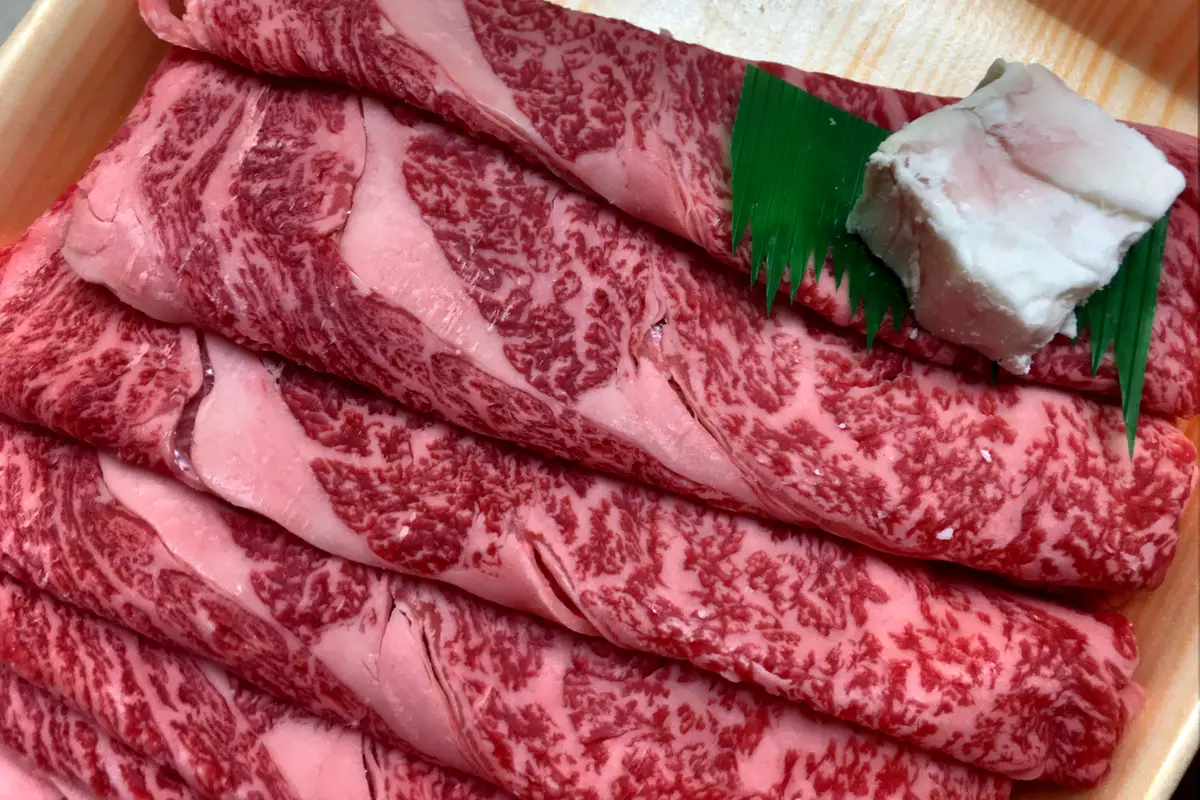
USDA does not allow travelers to bring back most cattle, swine, sheep or goat meat from countries affected by foot-and-mouth disease, BSE, swine vesicular disease, classical swine fever or African swine fever. Fresh, frozen, cooked, cured or dried meat from countries without these diseases is allowed with official proof of origin, such as the package label or the receipt, up to 50 pounds of an item.
APHIS lists Japan as free of foot-and-mouth disease but subject to additional import restrictions, and as negligible risk for BSE. CBP decides at inspection whether wagyu, beef jerky or sausages can enter, so declare them and keep the original packaging and receipt.
Restricted or prohibited items
- Almost all fresh fruits and vegetables, whole or cut, including fruit served on the plane
- Most beef, pork, lamb and goat products from countries affected by the livestock diseases listed above
- Products containing meat from restricted countries as an ingredient, such as beef broth
- More than 50 pounds of a single meat item, which counts as a commercial shipment
- Seeds, bulbs, cuttings and other plant parts for growing without a phytosanitary certificate issued in advance
- Soil without an advance permit
- Medicines approved in another country but not approved in the US
- Goods bought for sale, which are outside the exemption and the flat rate
Useful before you fly
Airport transfer when you have a lot of shopping bags
Luggage storage in Tokyo for the hours before an evening flight
Arrival in the US
List your purchases
Note the price paid for everything acquired abroad, including gifts, and keep the receipts and original packaging of any food.
Complete the declaration
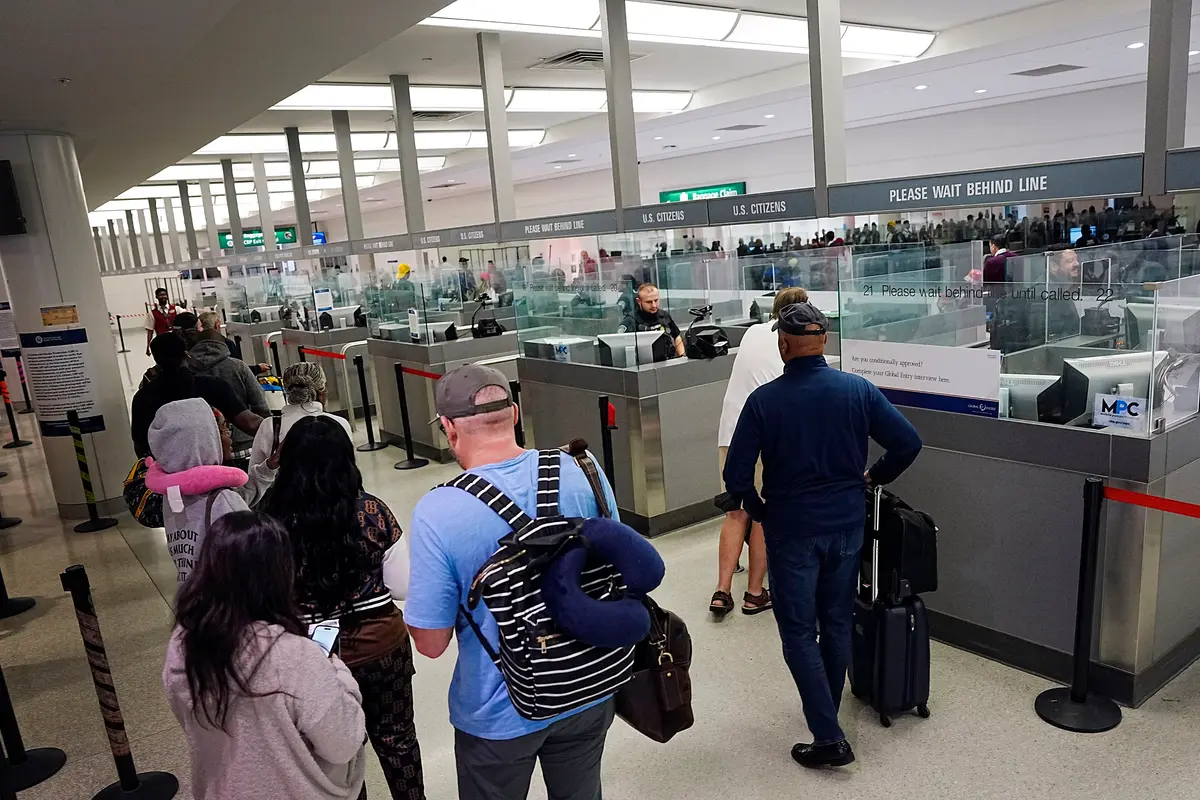
Itemize purchased merchandise and agricultural products on CBP Declaration Form 6059B, and answer Yes to Question 11 if you carry meat, fruit, vegetables, plants, seeds or other farm products.
Report cash
If you carry more than US$10,000 in currency, traveler’s checks, money orders or other monetary instruments, file FinCEN Form 105.
Present your goods
The CBP officer calculates any duty on newly acquired goods. Declared agricultural items are inspected, and an item that cannot enter is removed without a penalty.
Undeclared food
Leaving food off the declaration is the costliest mistake. Civil penalties for undeclared prohibited agricultural items can reach US$1,000 for a first non-commercial offense. If you declare an item and the inspector refuses it, you face no penalty.