
Personal allowances when arriving in Great Britain
| Goods | Allowance per person | Notes |
|---|---|---|
| Other goods (electronics, cosmetics, clothes, souvenirs) | Up to £390 | £270 if you arrive by private plane or private boat |
| Beer and cider | 42 litres | — |
| Wine (still or sparkling) | 18 litres | — |
| Spirits over 22% ABV, or other alcoholic products up to 22% ABV (not beer, cider or wine) | 4 litres of spirits, or 9 litres up to 22% ABV | You can split this allowance, for example 2 litres of spirits and 4.5 litres of fortified wine such as port or sherry |
| Tobacco (one of these) | 200 cigarettes, or 100 cigarillos, or 50 cigars, or 250g tobacco, or 200 sticks for heated tobacco devices | Can be split, for example 100 cigarettes and 25 cigars |
| Vaping liquid | 50ml | — |
| Travellers under 17 | No allowance for alcohol, tobacco or vaping products | They can bring these for their own use but must declare them before arriving |
| Cash | Declare £10,000 or more | Applies to the total carried by a family or group |

How the allowance is counted
The allowance applies to goods bought overseas, wherever you bought them, including duty-free or tax-free shops and ordinary high-street stores. You must carry the goods yourself and use them yourself or give them away as gifts. Goods to sell or use in a business have no allowance and must always be declared.
You cannot combine your personal allowance with anyone else’s. Each traveller has their own £390, and a couple cannot pool £780 towards one expensive item.
If you go over the £390 allowance, you pay tax and duty on the total value of the goods, not just the part above £390. For alcohol, tobacco and vaping products, going over a category means paying on everything in that category: 19 litres of wine means duty on all 19 litres, not on 1 litre.
Import VAT is charged at the current UK VAT rate on the value of the goods plus any duty. Japan’s tax-free shopping removes only Japanese consumption tax; the UK allowance is a separate system, and UK VAT and duty are worked out on the goods you bring in.
Simplified customs duty rates used by the online service
| Type of goods | Simplified customs duty rate |
|---|---|
| Computers, tablets, mobile phones | 0% |
| Perfume and cosmetics | 0% |
| Watches and clocks | 2% |
| Jewellery | 2% |
| Clothing (adult and children) | 12% |
| Footwear | 16% |
| Glassware | 10% |
| Tableware and kitchenware | 8% |
| All other goods | 2% |
What you pay above the allowance
When you declare online, HMRC calculates customs duty with simplified rates. If the other goods you declare total £630 or less, the service uses a flat 2.5% rate for clothing, televisions, carpets, fabrics, table and kitchenware, glassware and footwear, and the lower simplified rate for categories below 2.5%. Above £630 it uses the category rates in the table. Import VAT is added on top.
Alcohol and tobacco above the allowance also carry excise duty. For example, the simplified excise rate is £12.75 per litre for spirits and £3.52 per litre for still or sparkling wine, and from 1 October 2026 £518.75 per 1,000 cigarettes. The online service accepts alcohol and tobacco only up to upper thresholds, such as 10 litres of spirits, 90 litres of wine or 800 cigarettes; above that you declare everything to Border Force on arrival.
You can also choose an oral declaration to Border Force using the full customs tariff and the main duty rates instead of the simplified rates. If you do, those rates apply to all the goods you declare.
Food, plants and other restricted items from Japan
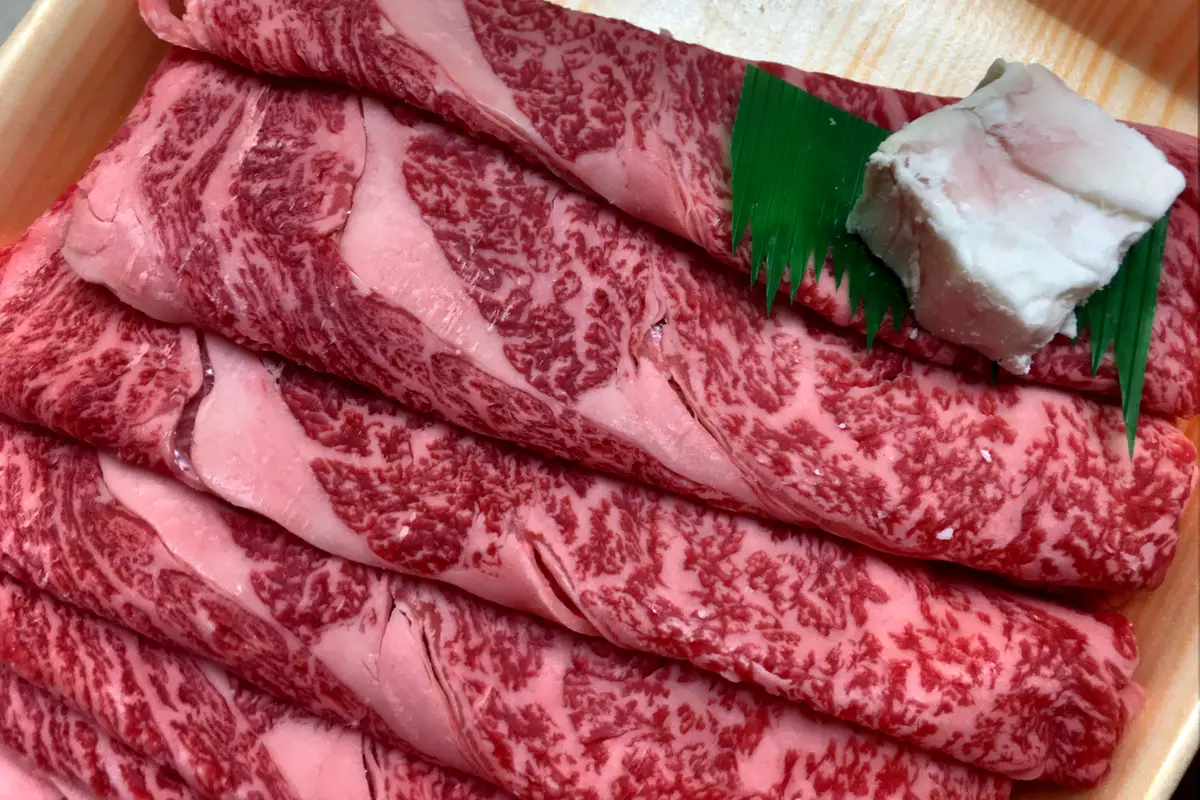
- Meat and meat products from countries outside the EU cannot be brought in. This includes wagyu, beef jerky, sausages and other products made from meat.
- Milk and milk-based products from outside the EU are banned, except powdered infant milk, infant food or special food needed for medical reasons (up to 2kg, unopened branded packaging, no refrigeration needed).
- Most fresh fruit and vegetables from outside the EU need a phytosanitary certificate from the plant health authority of the country you are leaving. Without one you can bring only pineapple, kiwi, coconut, citrus fruits, kumquat, persimmon, durian, curry leaves, banana and plantain, mango, dates, passion fruit and guava. Melons, strawberries, peaches and grapes are not on that list.
- All plants for planting, cut flowers and foliage, parts of trees used as decoration and natural wood from outside the EU need a phytosanitary certificate. Over 2kg of plants for planting must also be inspected on arrival.
- Fish is limited to 20kg per person (fresh fish must be gutted) and honey to 2kg. Caviar needs a CITES permit.
- Pet food from outside the EU is not allowed unless your pet needs it for health reasons.
- Self-defence sprays, flick knives and other offensive weapons, controlled drugs and counterfeit goods are banned or may be seized.
Useful before you fly
Airport transfer when you have a lot of shopping bags
Luggage storage in Tokyo for the hours before an evening flight
Food you can bring from Japan
- Bread (but not sandwiches filled with meat or dairy), biscuits and cakes without fresh cream
- Chocolate and confectionery, unless made with a lot of unprocessed dairy ingredients
- Pasta and noodles, unless mixed or filled with meat
- Packaged soup, stocks and flavourings
- Processed and packaged plant products, peeled and processed nuts, and certain grains such as rice
- Food supplements containing small amounts of animal product, such as fish oil capsules
Arriving in Great Britain
Add up your purchases
Before you fly, total the price of everything bought in Japan except alcohol, tobacco and vaping products, and check each alcohol and tobacco category against its own limit.
Declare online if you are over
From 5 days (120 hours) before arrival you can declare goods and pay any tax and duty online. You need the exact price in the currency you paid, quantities, your passport number, your arrival date and time, and a card for payment. Keep the email receipt or reference number.
Use the right channel
With an online receipt, or with nothing to declare, use the green ‘nothing to declare’ channel. Otherwise go to the red channel or use the red-point phone and declare to Border Force.
Declare cash of £10,000 or more
Declare online or by phone before you travel (up to 72 hours ahead), or follow the ‘goods to declare’ or red channel signs on arrival and tell a Border Force officer.
Hand over banned food
If you have meat, dairy or other banned food, declare it in the red channel. Declared banned food is taken away and destroyed; undeclared food can lead to a fine of up to £5,000 in England or prosecution.
Wagyu and other meat from Japan
Meat and meat products from outside the EU cannot be brought into Great Britain, including vacuum-packed wagyu and beef jerky bought at a Japanese airport. Border Force can seize the products and destroy bags or clothing contaminated by them, and not declaring them can lead to a fine of up to £5,000 in England.