
Which card
| Card | Price | Deposit | Valid for | Money back at the end? |
|---|---|---|---|---|
| Welcome Suica (card) | ¥1,000–10,000, all of it balance | None | 28 days | No |
| Welcome Suica Mobile (iPhone app) | Top up with Apple Pay | None | 180 days | No |
| Suica or ICOCA in Apple Wallet | Top up with a card in Apple Pay | None | No limit for a trip | Through the app |
| Suica (regular card) | ¥1,000–10,000, including the deposit | ¥500 | No limit for a trip | Balance minus ¥220, plus the ¥500 deposit |
| ICOCA | ¥2,000, including the deposit | ¥500 | No limit for a trip | Balance minus ¥220, plus the ¥500 deposit |
| TOURIST PASMO | ¥2,000 at Narita; ¥1,000–10,000 at Haneda | None | 28 days | No |

Tokyo: Welcome Suica or Suica on your iPhone
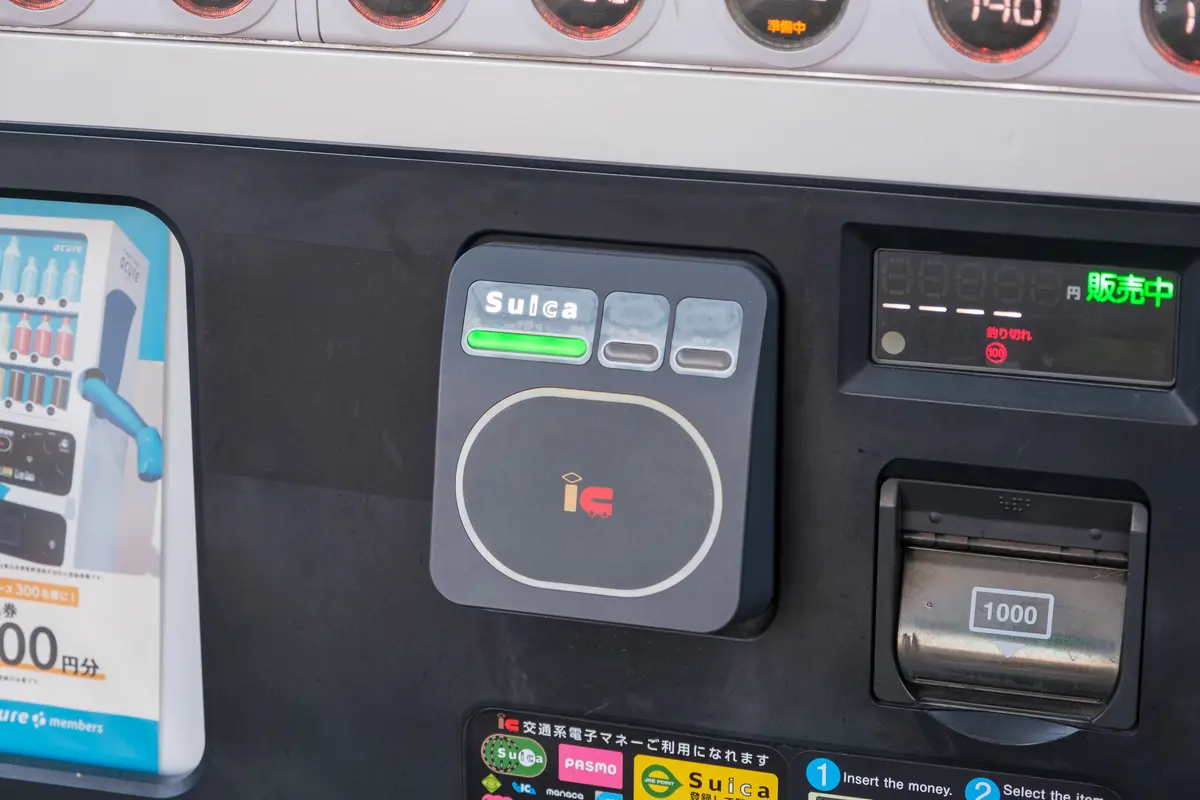
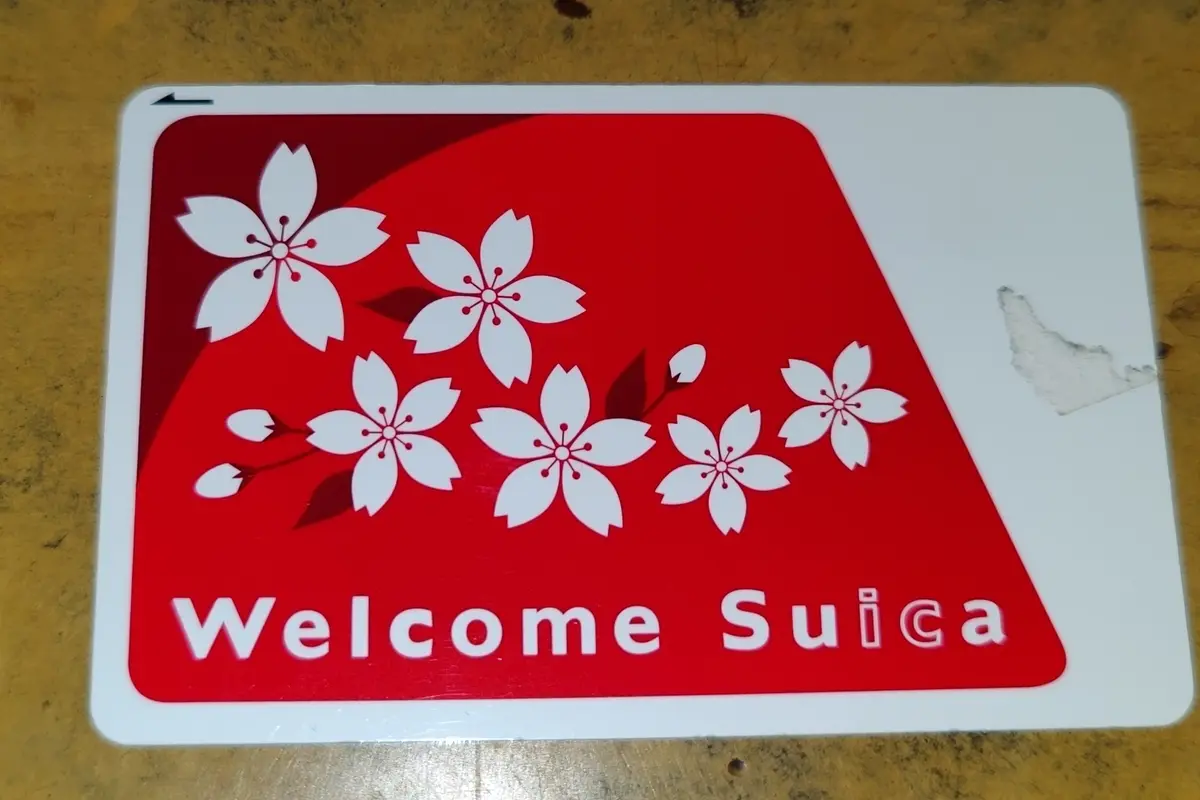
Welcome Suica cards are sold at JR East Travel Service Centers and Welcome Suica machines at Narita Terminals 1 and 2·3 and Haneda Terminal 3, and at Tokyo, Shinjuku, Shibuya, Ikebukuro, Ueno and Yokohama stations. There is no deposit, but the card expires after 28 days counting the day you buy it, and money left on it is not refunded, so top up a little at a time. Top-ups are cash only, at station machines or Seven Bank ATMs.
On an iPhone, the Welcome Suica Mobile app (iOS 17.2 or later) is valid for 180 days and tops up with a card in Apple Pay; in some countries it can only be set up after you arrive in Japan. You can also add a regular Suica to Apple Wallet. Android phones bought outside Japan generally cannot: Google Wallet supports Suica only on Japanese Osaifu-Keitai phones.
Regular Suica cards are back on sale at station ticket machines since March 2025. Before you leave, a JR East ticket office in the Suica area returns the balance minus ¥220, plus the ¥500 deposit. Tokyo’s subway operators also sell TOURIST PASMO at stations around Narita and Haneda from May 2026: no deposit, 28 days, no refund.

Osaka and Kyoto: ICOCA
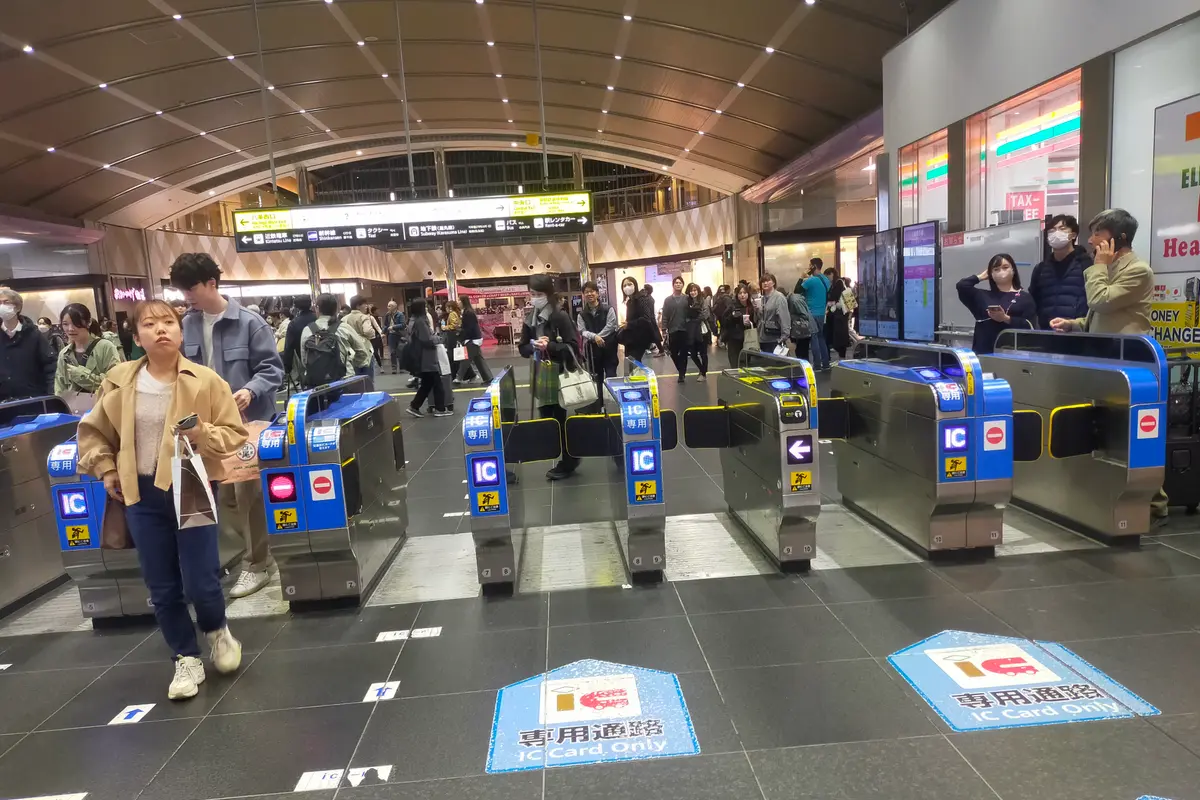
At Kansai Airport Station, buy an ICOCA from the ticket machines; the JR ticket office also sells a Visitor ICOCA to foreign passport holders. It costs ¥2,000 including the ¥500 deposit. Top up with cash; the maximum balance is ¥20,000.
To get your money back, go to a JR West station in the ICOCA area: you receive the balance minus ¥220, plus the ¥500 deposit. ICOCA can also be added to Apple Wallet, with no deposit. For the train into the city, see HARUKA tickets on Klook.
One card for the whole country, but not across areas in one ride
Suica, PASMO, ICOCA and the other major IC cards work in each other’s areas, so a Suica works in Osaka and an ICOCA in Tokyo. But a single ride cannot run from one card area into another, for example from Tokyo to Sendai: buy a ticket for that ride instead.
Useful before you fly
Airport transfer when you have a lot of shopping bags
Luggage storage in Tokyo for the hours before an evening flight
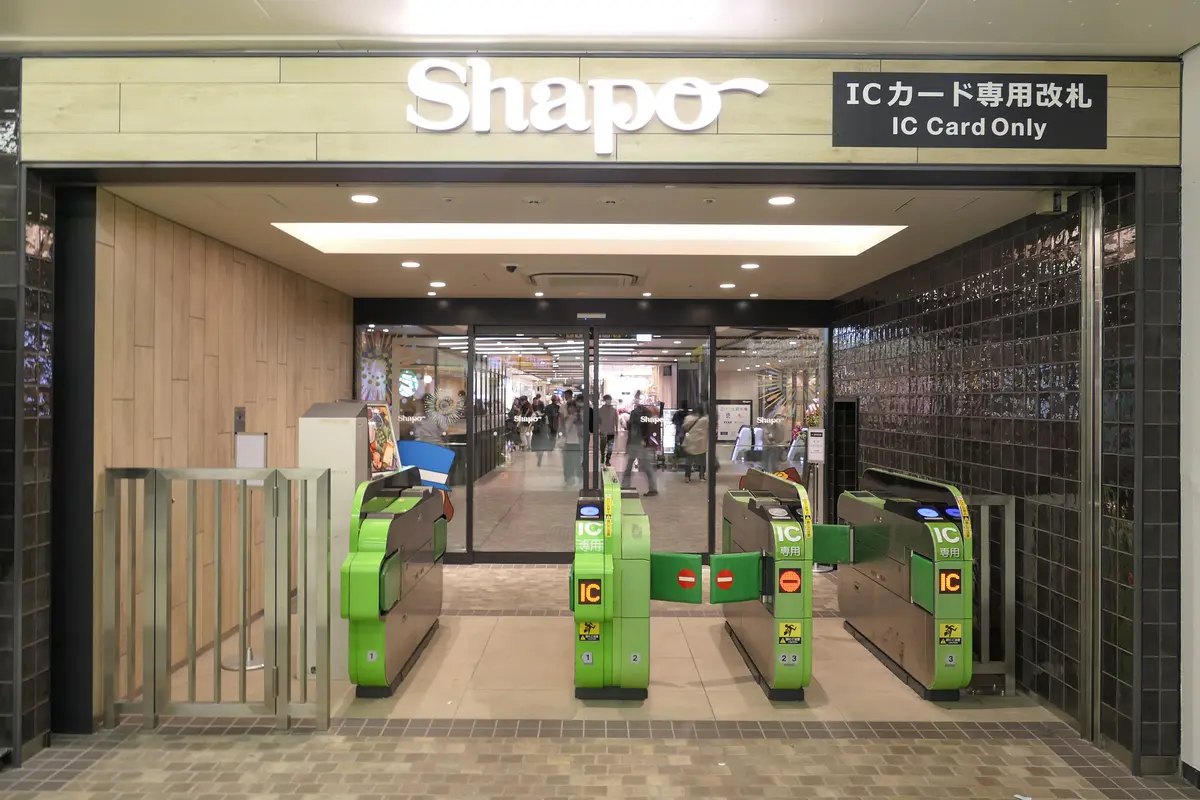

Or just tap your credit card
Since 25 March 2026, 11 Tokyo operators accept contactless credit, debit and prepaid cards and phones at the gate, with through travel between them: Tokyo Metro, Toei, Keikyu, Keio, Odakyu, Tokyu, Seibu, Tobu, Sotetsu and others, 54 lines and 729 stations. JR East lines, including the Yamanote Line, are not included.
In Osaka, every Osaka Metro station takes Visa, Mastercard, JCB, American Express and other brands at the gate (adult fares only), and so do 87 of Nankai’s 100 stations. An IC card is still handy for JR lines, buses and convenience stores.