
Personal exemptions for residents of Canada
| Time outside Canada | Exemption per person | Alcohol and tobacco | Where the goods must be |
|---|---|---|---|
| Less than 24 hours | No personal exemption | Not included | — |
| 24 hours or more | Up to CAN$200. If the goods are worth more, duty and taxes apply to the entire amount. | Not included | With you when you enter Canada |
| 48 hours or more | Up to CAN$800. Above that, duty and taxes apply only to the amount over CAN$800. | Included, within the limits below | With you when you enter Canada |
| 7 days or more | Up to CAN$800 | Included, within the limits below | Alcohol and tobacco with you; other goods may follow by mail or courier |

Alcohol and tobacco after 48 hours or more away
| Product | Free of duty and taxes | Conditions |
|---|---|---|
| Alcohol (one of these) | 1.5 litres of wine, or 1.14 litres of alcoholic beverages, or 8.5 litres of beer or ale | Minimum age of the province or territory where you enter: 18 in Alberta, Manitoba and Quebec, 19 elsewhere |
| Cigarettes | 200 cigarettes | You must be 18 or older. Packages must be stamped “duty paid Canada droit acquitté”; unstamped products are assessed at a special duty rate. |
| Cigars | 50 cigars | You must be 18 or older |
| Manufactured tobacco | 200 grams | Same stamp rule as cigarettes |
| Tobacco sticks | 200 tobacco sticks | Same stamp rule as cigarettes |
| Vaping products | Up to 120 millilitres (liquid) or 120 grams (solid) in no more than 12 devices and containers | You must be 18 or older |
How the exemption is counted
Each person has their own exemption. You cannot combine it with another person’s or transfer it to someone else. Children are also entitled to an exemption as long as the goods are for the child’s use, and a parent or guardian can make the declaration on the child’s behalf.
You also cannot combine your own exemptions. A trip of 9 days gives you one CAN$800 exemption, not CAN$1,600 from the 48-hour and 7-day exemptions together. The goods must be for personal or household use; souvenirs and gifts count, goods for resale or for another person do not.
Values are declared in Canadian dollars. Generally the value for duty is what you paid, including foreign tax, converted at the exchange rate the CBSA recognises. The CBSA says that foreign tax already refunded, or to be refunded, by a foreign government does not have to be included. Japan’s tax-free refund only returns Japanese consumption tax; the Canadian exemption is a separate system with its own limits.
After a trip of 48 hours or longer you can bring up to CAN$300 of additional goods above your exemption at a beneficial duty rate of 7%. This does not apply to alcohol or tobacco, applies only to goods that are with you, and GST or HST is still payable. Beyond that, regular duty, GST/HST and any provincial levies apply to the excess.
Food and other goods that are restricted
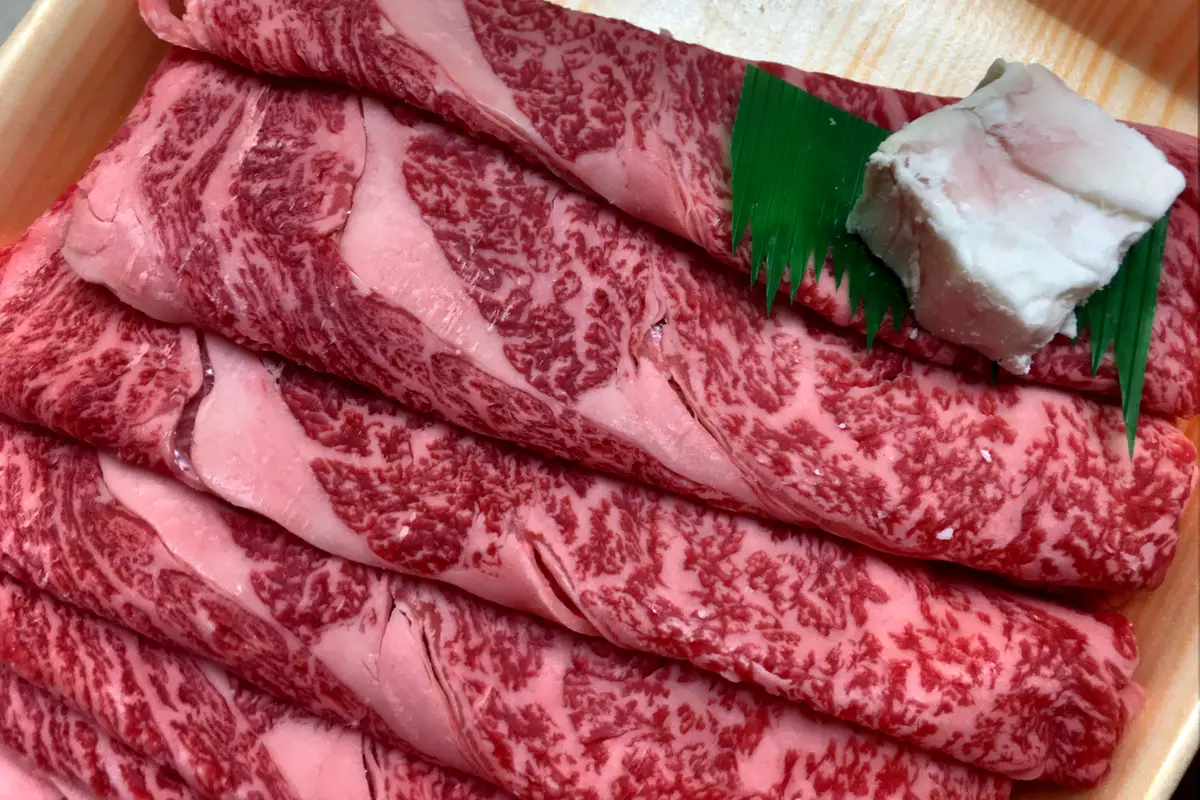
- Fresh, dried and cured meat from countries other than the United States is not permitted. This covers products such as wagyu steaks, beef jerky, ham and sausages.
- Meat products are allowed only if commercially prepared, cooked, shelf-stable and in a sealed can, glass jar or retort pouch, carried by you, up to 20 kg. Products containing beef must come from a country of negligible risk for BSE.
- Pork in any form, including cooked or processed, should not be packed in your luggage, according to the CFIA.
- Eggs and processed egg products from countries other than the United States are not permitted.
- Pufferfish (fugu) is not permitted. Other fish and seafood is limited to 40 kg, dried fish to 10 kg and fish roe to 1 kg.
- Dairy: only ice cream, yogurt, kashk and pasteurized cheese are permitted from any country, up to 20 kg.
- Fresh fruit and vegetables may be restricted or prohibited depending on the country of origin. Where permitted, the limit is 20 kg each; check the CFIA’s Automated Import Reference System before you fly.
- Plants and seeds must be declared and must not be a regulated pest or invasive species. Goods contaminated with soil are usually refused.
- Health products: no more than a 90-day supply or a single course of treatment, whichever is less, in the pharmacy or original retail package or with the original label. A product sold without prescription abroad may need one in Canada.
Useful before you fly
Airport transfer when you have a lot of shopping bags
Luggage storage in Tokyo for the hours before an evening flight
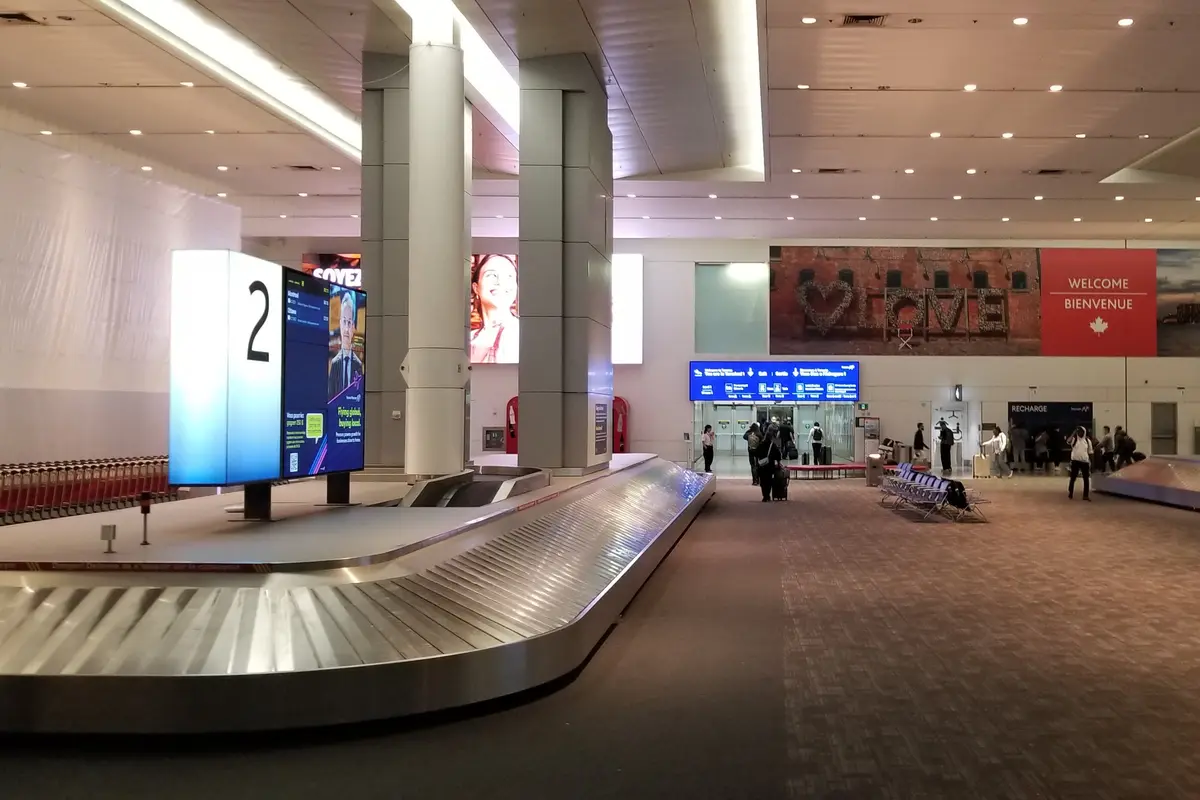
Arriving in Canada
Advance Declaration
At Vancouver, Toronto Pearson (Terminals 1 and 3), Montréal-Trudeau, Winnipeg, Halifax, Québec City, Calgary, Ottawa, Edmonton and Billy Bishop Toronto City you can submit your customs and immigration declaration in the ArriveCAN app up to 72 hours before your flight.
Kiosk, eGate or card
At the airport you confirm or update the declaration at a kiosk or eGate. If you were given Form E311, the CBSA Declaration Card, complete it before landing.
Declare everything bought abroad
Declare all goods acquired outside Canada, including gifts and items bought at Canadian or foreign duty-free shops, and all food, plants and animal products.
Cash of CAN$10,000 or more
Report currency and monetary instruments worth CAN$10,000 or more in total, in any currency, on the card, at the kiosk or to the officer.
Pay duty and taxes
Pay by cash, traveller’s cheque, Visa, American Express or MasterCard; debit cards are accepted at most CBSA offices. The officer gives you a receipt.
Goods sent home from Japan
After 7 days or more away, goods other than alcohol and tobacco can follow you. Tell the officer and ask for Form BSF192; you have 40 days from your return to claim them.
Undeclared goods
If you do not declare goods, or declare them falsely, the CBSA can seize them. To get them back you may have to pay a penalty of 25% to 70% of their value. Alcohol and tobacco that are not properly declared are seized permanently, and undeclared food can lead to confiscation, a fine or prosecution.