
Duty-free concessions
| Item | Aged 18 or over | Under 18 |
|---|---|---|
| General goods such as gifts, souvenirs, cameras, electronics, leather goods, jewellery, watches and perfume concentrates | A$900 | A$450 |
| Alcoholic beverages | 2.25 litres | No concession |
| Tobacco | One unopened packet of up to 25 cigarettes or 25 g of other tobacco, plus one open packet of cigarettes | Not permitted |
| Clothing, footwear and personal hygiene and grooming items in your baggage | Free of duty and tax | Free of duty and tax |
| Cash in any currency and bearer negotiable instruments | Declare A$10,000 or more | Declare A$10,000 or more |

How the concession is counted
The A$900 and A$450 limits cover goods bought overseas, goods bought duty or tax free in Australia before departure, and purchases from the inwards duty-free shop on arrival. All alcoholic beverages in your accompanied baggage count towards the 2.25 litres, wherever you bought them. Duty-free concessions do not apply to commercial goods.
Families returning on the same flight may pool their individual limits if they stay together through Customs clearance. A family is a couple, married or de facto, and their children under 18. Two adults and two children have a combined allowance of A$2,700.
If you exceed a limit, duty and tax apply to all items of that type, not only to the amount over the limit. Japan’s tax-free shopping removes Japanese consumption tax only; the Australian concession is a separate system.
Biosecurity items you cannot bring in
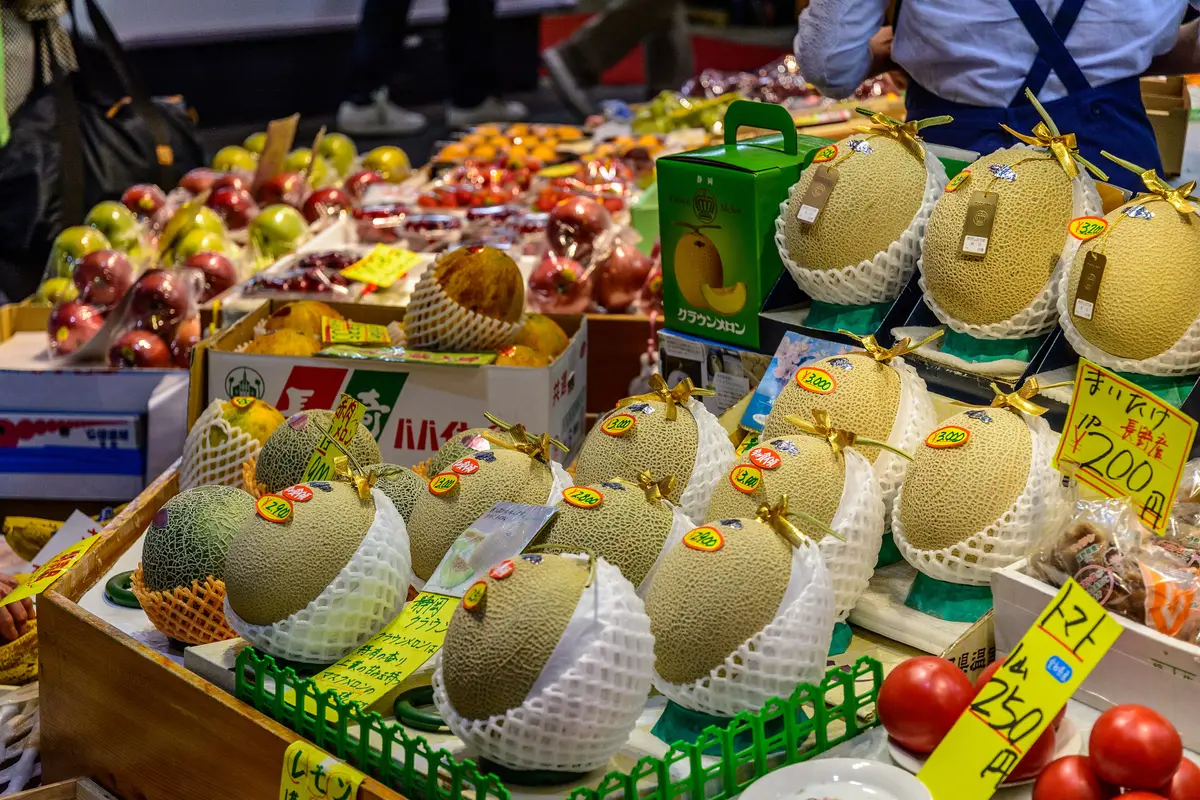
- Fresh fruit and vegetables
- Meat and animal products
- Seeds
- Plants and plant products, including wooden souvenirs
Food and plant items to declare
- Meat, poultry and seafood products in any form: fresh, dried, frozen, cooked, smoked, salted or preserved
- Eggs, including dried and powdered egg
- Cheese, milk, yoghurt, infant formula and mayonnaise
- Rice, noodles and pasta
- Nuts, seeds, beans and grains
- Herbs and spices, including herbal teas and herbal medicines
- Live plants, fresh and dried flowers, bark, leaves, straw and wooden articles
Useful before you fly
Airport transfer when you have a lot of shopping bags
Luggage storage in Tokyo for the hours before an evening flight
Arrival in Australia
Complete the Incoming Passenger Card
Fill in the card in English, including the customs and quarantine declarations. A parent or guardian can complete it for a child. On Qantas flights into Brisbane and selected flights into Sydney and Melbourne, invited passengers can use the digital Australia Travel Declaration instead.
Declare or bin risk goods
Declare food, animal products and plant material, including wooden articles, or put them in the bins at the airport. A biosecurity officer inspects declared goods and returns them if they pose no risk.
Declare goods over your concession
Declare anything above your duty-free limits and show proof of purchase so the ABF can calculate the duty and tax.
Declare cash
If you carry A$10,000 or more in cash or bearer negotiable instruments, complete the AUSTRAC online form before Customs and save the submission receipt.
Pay duty and tax
At the counter you can pay in Australian dollars cash, by Mastercard, Visa, American Express, JCB or UnionPay. From 1 October 2026 the department no longer adds surcharges to card, PayPal or UnionPay payments.
Undeclared food and plant material
Biosecurity officers use x-ray machines, detector dogs and inspections. A false or incomplete declaration can lead to an infringement notice, civil penalty proceedings or criminal prosecution, and visa holders can have their visa cancelled and may be unable to return for up to 3 years. Travellers who declare and present all goods are not penalised under the Biosecurity Act 2015, even if the goods are not allowed in.